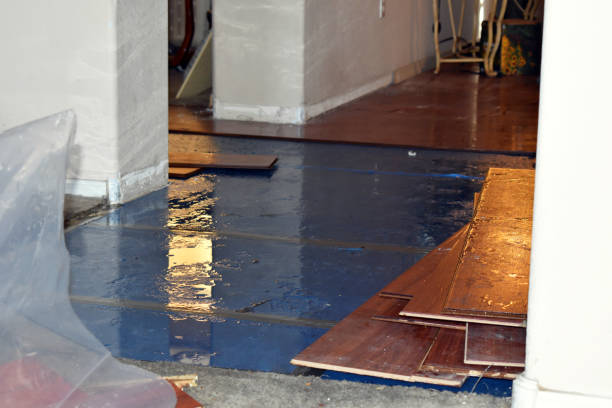
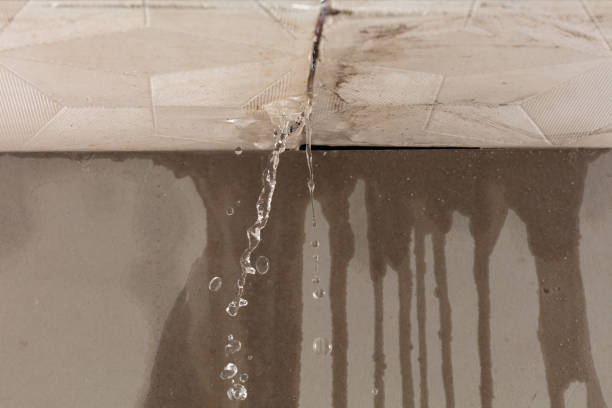
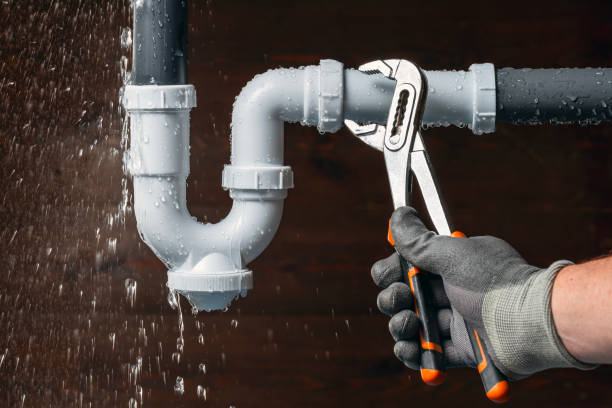
A structure that looks dry on the surface can still hold dangerous moisture inside walls and subfloor. Our Structural Drying And Dehumidification process tests what you can't see, not just what you can.
Call +1-844-833-1325 Now
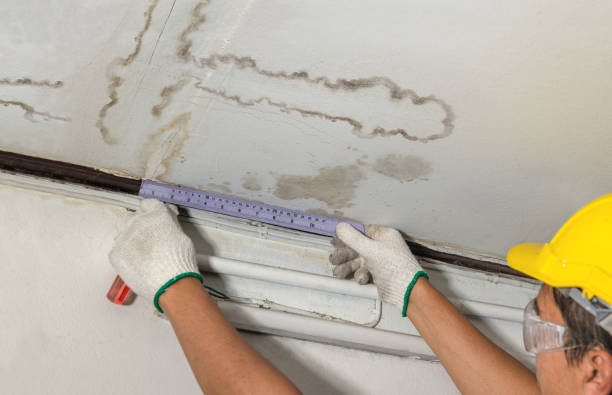
A moisture meter reading is compared against a dry reference point in the same structure, not a fixed number, since normal moisture content varies by material and by region.
We'd rather explain the structural drying and dehumidification process in plain terms upfront than have you find out the hard way what a shortcut costs later.
We built this list around what typically goes wrong when structural drying and dehumidification gets handled by a generalist rather than a specialist.
None of these standards are unique to us in theory, but they're worth confirming before you let anyone start structural drying and dehumidification work on your property.

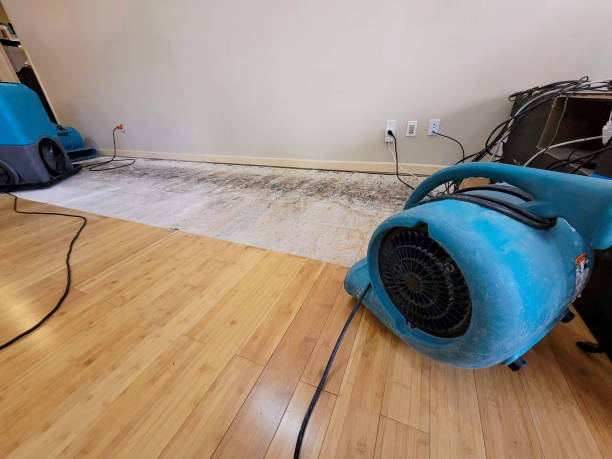
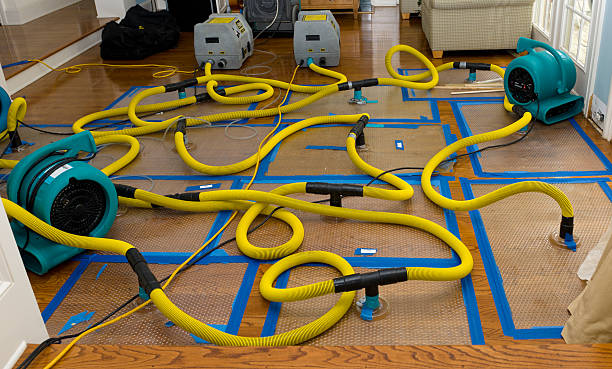
Air mover and dehumidifier placement follows actual humidity and temperature readings, not a default pattern.
Logs are shared throughout the job so you always know where the drying stands.
Low-grain-refrigerant dehumidifiers handle humidity levels that standard consumer units can't touch.
We re-test every affected area before calling the drying phase complete.
Every piece of structural drying and dehumidification work below follows the same documentation standard, whether it's a small job or a larger one.

We measure temperature, humidity, and grain depression to calculate the actual drying conditions needed.
Placement follows the specific geometry of the affected room, adjusted daily as conditions change.
We deploy LGR equipment specifically for jobs where humidity levels demand more aggressive extraction from the air.
Monitoring continues even after materials look dry, since surface dryness doesn't mean full drying.
Thermal cameras catch hidden moisture pockets inside walls and under flooring that a surface check would miss.
Complete drying logs are provided at job close, useful for both your records and insurance claims.
This is the same sequence every structural drying and dehumidification job follows, regardless of size.
You call +1-844-833-1325 and a live dispatcher takes the details of your Structural Drying And Dehumidification need, not a voicemail system.
The truck that arrives is stocked specifically for Structural Drying And Dehumidification jobs, not a generic handyman setup.
You approve the number before equipment turns on — no surprise invoice after the fact.
We stand behind the result with a documented sign-off, not just a verbal assurance.


"The daily drying log meant we always knew exactly where the job stood."
Carlos V., Georgetown"They explained the psychrometric readings in plain terms instead of just handing me a spreadsheet."
Wendy K., Georgetown"Drying took a few extra days but they kept us updated with daily numbers instead of vague reassurance."
Marcus T., Georgetown"Daily logs meant our facilities manager always had current numbers to report internally."
Angela F., GeorgetownThese are the questions we hear most often about structural drying and dehumidification, gathered from real calls, not a generic template list.

Our structural drying and dehumidification coverage spans 4548, with trucks positioned to reach any address in the service area quickly.
Whether your address sits in the city core or a neighboring zip code, the same structural drying and dehumidification response standard applies.